
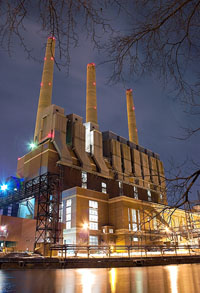
Coal combustion products (CCP) are the materials produced when we burn coal to generate electricity. They include fly ash,bottom ash, boiler slag,flue gas desulfurization gypsum, and other power plant byproducts. The term “product” was coined by the U.S. Environmental Protection Agency to promote recycling these and other industrial byproducts.
Using CCP rather than disposing of them conserves natural resources, reduces greenhouse gas emissions, and saves taxpayers significant costs.
When selecting materials for construction we have the choice of substituting recycled materials for conventional products to achieve sustainable design and drastically reduce a myriad of environmental impacts. In most cases these materials cost less, are available locally, and are technically equivalent or superior to virgin materials.
A multibillion dollar industry has “risen from the ashes” since the 1940s when the U.S. Bureau of Reclamation began using concrete made with fly ash to construct dams. Today, coal combustion products are incorporated into a wide range of building materials as well as engineered composite materials, such as metal alloys and plastics to provide strength without adding weight. Fly ash, bottom ash, FGD gypsum, and boiler slag are known worldwide as coal combustion “products” to emphasize the benefits of recycling over landfilling.
See our CPP production & use reports in the publications section of this site.
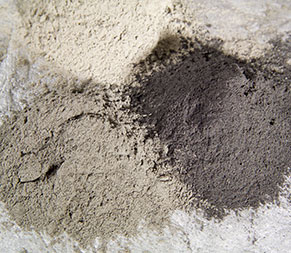
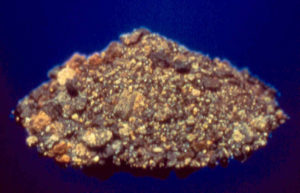 Bottom ash is agglomerated ash particles, formed in pulverized coal furnaces, that are too large to be carried in the flue gases and impinge on the furnace walls or fall through open grates to an ash hopper at the bottom of the furnace. Physically, bottom ash is typically grey to black in color, is quite angular, and has a porous surface structure.
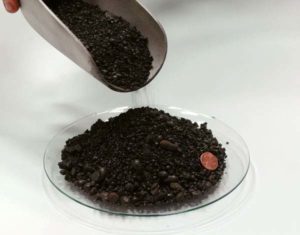 Boiler slag is the molten bottom ash collected at the base of slag tap and cyclone type furnaces that is quenched with water. When the molten slag comes in contact with the quenching water, it fractures, crystallizes, and forms pellets. This boiler slag material is made up of hard, black, angular particles that have a smooth, glassy appearance.
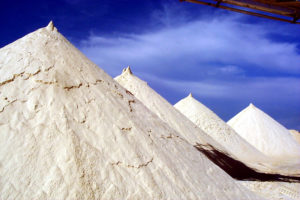 The second most common use of CCPs is flue gas desulfurization (FGD) gypsum in wallboard. This material is produced by emissions control systems (scrubbers) that remove sulfur and oxides from power plant flue gas streams. Residues vary, but the most common uses in construction applications are FGD gypsum (or “synthetic” gypsum). This material is used in more than 40 percent of the gypsum panel products (wallboard) manufactured in the U.S. FGD gypsum can be used in cement production and geotechnical applications. It can also be used in self-leveling floor applications. The agricultural industry also uses this material to treat undesirable soil conditions and to improve crop performance.